
Welsh 15 Peaks Challenge
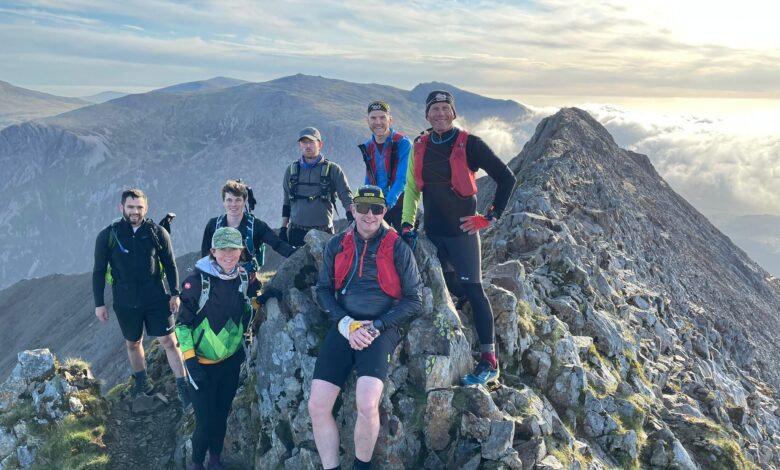
Welsh 15 Peaks Challenge: A Complete Guide for Hikers and Adventure Lovers
The Welsh 15 Peaks Challenge is one of the most demanding and rewarding mountain challenges in the UK. It attracts hikers, endurance athletes, and charity fundraisers who want to test their limits while exploring the dramatic landscapes of Snowdonia National Park. This guide explains what the challenge involves, which peaks are included, how to prepare, and what to expect on the day.
What Is the Welsh 15 Peaks Challenge?
The Welsh 15 Peaks Challenge is a long-distance mountain walk that involves climbing 15 of the highest peaks in Wales, all over 3,000 feet (914 metres). These peaks are located in Snowdonia and are often completed in a single continuous route, usually within 24 hours or less.
The challenge is physically tough due to steep ascents, rocky terrain, unpredictable weather, and minimal rest between peaks. Many people take part to raise money for charity, while others do it as a personal endurance goal.
The 15 Peaks Included in the Challenge
The peaks in the Welsh 15 Peaks Challenge are often referred to as the Welsh 3000s. They are grouped into three mountain ranges:
Snowdon Massif
- Snowdon (Yr Wyddfa)
- Crib y Ddysgl
- Garnedd Ugain
Glyderau Range
- Elidir Fawr
- Y Garn
- Glyder Fawr
- Glyder Fach
Carneddau Range
- Pen yr Ole Wen
- Carnedd Dafydd
- Carnedd Llewelyn
- Yr Elen
- Foel Grach
- Garnedd Uchaf
- Foel-fras
Completing all these peaks in one attempt is what defines the Welsh 15 Peaks Challenge.
How Long Does the Challenge Take?
Most participants aim to complete the Welsh 15 Peaks Challenge within 18 to 24 hours, depending on fitness, weather conditions, and experience. Some elite hikers may finish faster, but for many, it is a full-day and night effort with limited sleep.
Good time management and pacing are essential to avoid exhaustion later in the route.
Fitness and Preparation Tips
Preparing properly is key to success in the Welsh 15 Peaks Challenge. Here are some important tips:
- Build endurance with long hill walks and back-to-back hiking days
- Practice navigation using maps and a compass
- Strengthen legs and core through regular training
- Test your gear before the challenge day
- Learn mountain safety, including weather awareness
Many hikers also train on local hills before attempting Snowdonia’s rugged terrain.
What to Pack for the Welsh 15 Peaks Challenge
Packing the right equipment can make or break your challenge. Essentials include:
- Sturdy hiking boots
- Waterproof jacket and trousers
- Head torch with spare batteries
- High-energy food and snacks
- Plenty of water or hydration system
- Map, compass, or GPS device
- First aid kit
Weather in Snowdonia can change rapidly, so layering and waterproof gear are critical.
Best Time to Attempt the Challenge
The most popular months for the Welsh 15 Peaks Challenge are May to September, when daylight hours are longer and conditions are generally safer. However, even in summer, strong winds, rain, and fog are common at higher altitudes.
Winter attempts are possible but require advanced skills, winter equipment, and experience.
Is the Welsh 15 Peaks Challenge Worth It?
Absolutely. The Welsh 15 Peaks Challenge offers stunning views, a deep sense of achievement, and a true test of physical and mental endurance. Whether you are doing it for charity or personal growth, completing all 15 peaks is an unforgettable experience.
Final Thoughts
The Welsh 15 Peaks Challenge is not just a hike—it is a serious mountain endurance challenge that demands preparation, respect for the environment, and strong determination. With the right training and planning, it can be one of the most rewarding outdoor adventures in Wales.
Frequently Asked Questions (FAQ) About the Welsh 15 Peaks Challenge
What is the Welsh 15 Peaks Challenge?
The Welsh 15 Peaks Challenge is a demanding mountain challenge that involves climbing 15 of the highest peaks in Wales, all over 3,000 feet. The peaks are located in Snowdonia National Park and are usually completed in one continuous route.
Is the Welsh 15 Peaks Challenge the same as the Welsh 3000s?
Yes, the Welsh 15 Peaks Challenge is commonly known as the Welsh 3000s. Both names refer to the same challenge of completing all 15 Welsh mountains over 3,000 feet in a single attempt.
How long does the Welsh 15 Peaks Challenge take?
Most participants complete the Welsh 15 Peaks Challenge in 18 to 24 hours, depending on fitness level, weather, and route choice. Some experienced hikers may finish faster.
Do I need a guide for the Welsh 15 Peaks Challenge?
A guide is not mandatory, but it is recommended for first-timers or those with limited navigation experience. Weather changes and poor visibility can make navigation difficult.
How fit do I need to be?
You need a high level of fitness and endurance. Regular hill walking, long-distance hikes, and strength training will help prepare your body for the steep climbs and long hours.
What is the best time of year to attempt the challenge?
The best time to attempt the Welsh 15 Peaks Challenge is between late spring and early autumn, when daylight hours are longer and conditions are generally more stable.
Can beginners attempt the Welsh 15 Peaks Challenge?
Beginners can attempt the challenge, but only with proper training and preparation. It is not recommended without prior mountain walking experience.
Is the Welsh 15 Peaks Challenge dangerous?
Like any mountain challenge, there are risks, including weather changes, fatigue, and navigation errors. Proper planning, equipment, and awareness greatly reduce these risks.
Can I complete the Welsh 15 Peaks Challenge for charity?
Yes, many people complete the Welsh 15 Peaks Challenge to raise money for charity. Some organizations also offer organized events with support teams.
What happens if I can’t finish all 15 peaks?
Not completing all peaks is common and still an achievement. Safety should always come first, and you can attempt the challenge again in the future.
Do I need special equipment?
No specialist climbing gear is required, but quality hiking boots, waterproof clothing, navigation tools, and safety equipment are essential.