Climb Kilimanjaro
Climb Kilimanjaro: A Complete Guide to Africa’s Highest Mountain
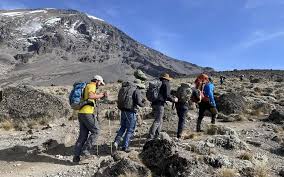
Mount Kilimanjaro is one of the most famous mountains in the world. Every year, thousands of travelers dream to climb Kilimanjaro and experience the beauty of Africa’s highest peak. Located in Tanzania, this mountain rises above the surrounding plains and offers an unforgettable adventure for hikers from around the globe.
If you are planning to climb Kilimanjaro, it is important to understand the routes, preparation, and what makes this mountain so special. This guide will help you learn everything you need to know before starting your journey.
What Makes Mount Kilimanjaro Special?
Mount Kilimanjaro stands at about 5,895 meters (19,341 feet) above sea level, making it the highest mountain in Africa. Unlike many other high mountains, you do not need technical climbing skills to reach the summit.
People choose to climb Kilimanjaro because:
- It is the tallest free-standing mountain in the world
- It offers different climate zones, from rainforest to glaciers
- It is one of the Seven Summits of the world
- The climb is possible for beginners with proper preparation
The summit is called Uhuru Peak, and reaching it is a proud moment for every climber.
Best Time to Climb Kilimanjaro
Choosing the right time is very important when planning to climb Kilimanjaro. The mountain can be climbed all year, but some months offer better weather.
Best Months
- January to March – Cooler weather with fewer climbers
- June to October – Dry season and the most popular time
Months to Avoid
- April and May – Heavy rain season
- November – Short rains may affect hiking conditions
Clear skies and dry trails make the climb safer and more enjoyable.
Popular Routes to Climb Kilimanjaro
There are several routes that climbers use to reach the summit. Each route offers a different experience and level of difficulty.
1. Marangu Route
- Also known as the “Coca-Cola Route”
- The only route with hut accommodation
- Usually takes 5–6 days
2. Machame Route
- Known as the “Whiskey Route”
- More scenic and challenging
- Takes 6–7 days
3. Lemosho Route
- One of the most beautiful routes
- Higher success rate for reaching the summit
- Takes 7–8 days
4. Rongai Route
- Approaches the mountain from the north side
- Less crowded
- Takes about 6–7 days
Choosing the right route can greatly improve your experience when you climb Kilimanjaro.
Physical Preparation for the Climb
Although climbing Kilimanjaro does not require technical mountaineering skills, it still requires good physical fitness.
To prepare for the journey:
- Practice long-distance hiking
- Train your cardio endurance
- Walk with a backpack
- Spend time climbing hills or stairs
Proper preparation increases your chances of successfully reaching the summit when you climb Kilimanjaro.
What to Pack for Kilimanjaro
Packing the right gear is essential for a safe climb.
Important items include:
- Warm clothing and thermal layers
- Waterproof jacket and pants
- Hiking boots
- Sleeping bag
- Headlamp or flashlight
- Gloves and hat
- Sunscreen and sunglasses
Weather on the mountain changes quickly, so climbers must be ready for both warm and freezing conditions.
Challenges When You Climb Kilimanjaro
The biggest challenge when people climb Kilimanjaro is altitude sickness. As you climb higher, the oxygen level becomes lower, which can cause headaches, dizziness, and fatigue.
To reduce the risk:
- Climb slowly
- Drink plenty of water
- Choose longer routes for better acclimatization
- Listen to your guide’s advice
Most climbers reach the summit successfully when they follow proper safety guidelines.
Why Climbing Kilimanjaro Is a Life-Changing Experience
When travelers finally climb Kilimanjaro and stand at Uhuru Peak, they experience a feeling of achievement that is hard to describe. Watching the sunrise above the clouds is one of the most beautiful moments in the world of adventure travel.
The journey also offers incredible landscapes such as:
- Rainforests filled with wildlife
- Alpine deserts
- Snow-covered glaciers near the summit
These natural wonders make the climb unforgettable.
Conclusion
To climb Kilimanjaro is more than just a hike—it is an adventure that challenges your body and mind while rewarding you with stunning views and a sense of accomplishment. With proper planning, physical preparation, and the right guidance, reaching the summit of Africa’s tallest mountain can become a dream come true.
Whether you are an experienced traveler or a first-time adventurer, the opportunity to climb Kilimanjaro is a journey that will stay in your memory for a lifetime.
FAQ About Climb Kilimanjaro
1. How long does it take to climb Kilimanjaro?
Most climbing routes take between 5 and 9 days, depending on the path chosen.
2. Do you need climbing experience to climb Kilimanjaro?
No technical climbing skills are required, but good fitness and preparation are important.
3. What is the success rate for climbers?
Success rates vary by route, but longer routes often have higher summit success rates.
4. Is it safe to climb Kilimanjaro?
Yes, it is generally safe when you climb with licensed guides and follow proper acclimatization practices.
5. How much does it cost to climb Kilimanjaro?
Most guided climbs cost between $1,500 and $5,000, depending on the route and tour company.