What Is a Fryers Road Tip?
Fryers Road Tip: A Complete Guide to Responsible Waste Disposal, Recycling and Community Clean-Up
Finding a reliable place to dispose of unwanted household items can make cleaning, moving house and renovating much easier. For residents searching for fryers road tip, understanding what a local tip offers, what materials can be accepted and how to prepare before a visit can save both time and effort.
A household waste and recycling centre, commonly called a tip or recycling centre in the UK, is designed to help residents dispose of waste responsibly. Instead of putting everything into a general rubbish bin, many materials can be separated and recycled or processed appropriately.
Whether you are clearing a garage, tidying the garden, completing a DIY project or simply getting rid of accumulated household waste, knowing how to use a local tip properly is important.
What Is a Fryers Road Tip?
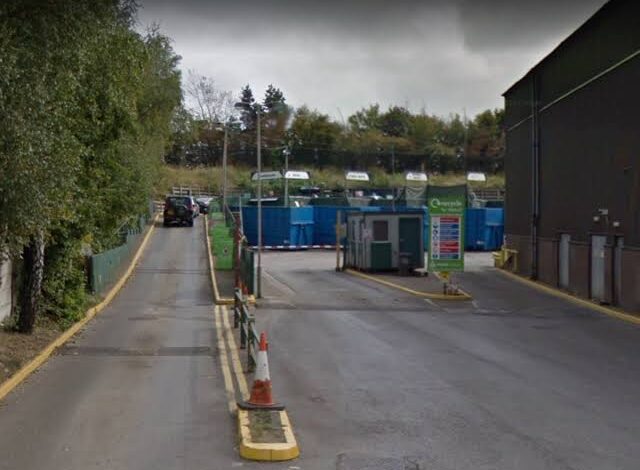
The term fryers road tip is commonly used when people are looking for a local waste disposal or recycling facility associated with Fryers Road. Such facilities are intended to provide residents with a practical way to dispose of household waste that cannot easily be placed in normal bins.
A Convenient Option for Household Waste
Local tips can be particularly useful for larger items and quantities of waste. Old furniture, garden waste, cardboard, electrical equipment and other household materials may require separate disposal arrangements.
Rather than placing these items beside a household bin, residents can take suitable materials to an authorised recycling or waste facility.
Supporting Recycling
Modern recycling centres are not simply places where rubbish is dumped. Many have separate containers for different types of materials. This allows recyclable items to be recovered and processed more efficiently.
Depending on the facility, residents may find separate areas for:
- Cardboard and paper
- Glass
- Scrap metal
- Garden waste
- Wood
- Electrical appliances
- Household furniture
- Rubble and construction materials
- General household waste
The exact materials accepted can vary, so checking local requirements before travelling is always sensible.
Why Use a Local Recycling Centre?
There are several reasons why residents may choose a local tip instead of disposing of unwanted items through ordinary household rubbish collections.
Dealing With Bulky Items
Large household objects can be difficult to dispose of through standard collections. Old wardrobes, broken chairs, mattresses and other bulky possessions can take up considerable space.
A recycling centre may provide a suitable disposal route for these items, subject to its rules.
Reducing Household Clutter
A trip to the tip can be useful when carrying out a major clear-out. Garages, sheds, lofts and gardens often accumulate unwanted possessions over time.
Sorting these items and taking appropriate materials to a recycling facility can make a home feel cleaner and more organised.
Encouraging Responsible Disposal
Using an authorised waste facility helps reduce the temptation to dispose of rubbish improperly. Responsible disposal is important for keeping roads, public spaces and natural areas clean.
What Can You Usually Take to a Tip?
The accepted materials at a recycling centre depend on the facility and the local authority. However, household recycling centres commonly accept a broad range of domestic waste.
Garden Waste
Garden clearances can produce substantial quantities of green waste. Grass cuttings, branches, leaves and other garden materials may be accepted in a designated garden-waste area.
Keeping garden waste separate from general rubbish can make recycling and composting processes more effective.
Wood and Timber
Old shelves, wooden furniture, broken cupboards and pieces of untreated timber may be accepted separately.
If you are completing a DIY project, keeping timber apart from other waste before travelling can make unloading considerably easier.
Electrical Items
Old electrical appliances should not normally be treated as ordinary household rubbish. Items such as kettles, televisions, computers and small electrical equipment can contain materials that require appropriate handling.
Many recycling centres provide dedicated areas for electrical and electronic waste.
Metal
Scrap metal is often highly recyclable. Old metal furniture, appliances and other household objects may therefore have a separate collection area.
Separating metal from general rubbish can help ensure that recyclable materials are recovered.
Preparing Before Visiting Fryers Road Tip
A little preparation can make a visit to a recycling centre much quicker and easier.
Sort Your Waste at Home
Before loading your vehicle, separate materials into groups. For example, keep cardboard together, garden waste in another section and electrical equipment separately.
This saves time when you arrive because you will already know where different items need to go.
Check the Current Rules
Waste acceptance policies can change. Some materials may require special arrangements, while certain types of waste may not be accepted at all.
It is therefore sensible to check the latest information for the relevant facility before setting off.
Pack the Vehicle Carefully
Place heavier objects securely at the bottom and lighter items on top. Avoid overloading the vehicle or allowing loose materials to move around.
A well-organised load also makes unloading easier when you reach the site.
Items That May Require Special Arrangements
Not every type of waste can be taken to an ordinary household recycling centre.
Hazardous Household Waste
Materials such as certain chemicals, solvents, fuels and other hazardous substances may require specialist disposal.
Never assume that a standard recycling centre accepts hazardous materials simply because they come from a household.
Asbestos
Asbestos-containing materials require particular care because damaged asbestos can release hazardous fibres. It should never be treated as ordinary household rubbish.
If you suspect that an item contains asbestos, seek appropriate specialist advice before attempting to transport or dispose of it.
Large Quantities of Building Waste
Small amounts of DIY waste may be accepted at some facilities, but larger quantities of construction material can be subject to different rules.
Residents carrying out major renovation work should check the relevant restrictions before making a journey.
Making Your Visit Easier
Visiting a tip does not have to be complicated. A few simple habits can improve the experience.
Visit With a Clear Plan
Think about what you are taking before leaving home. If you have several different categories of waste, make a quick list.
This can prevent forgotten items and reduce unnecessary journeys.
Wear Suitable Clothing
Recycling centres can involve lifting and handling dirty or bulky objects. Practical clothing and sturdy footwear are sensible choices.
Gloves may also be useful when handling rough timber, garden waste or other awkward materials.
Follow On-Site Instructions
Once you arrive, follow signs and instructions from staff. Different materials normally need to be placed in specific containers.
Do not leave rubbish beside a container if you are unsure where it belongs. Ask a member of staff for guidance.
Fryers Road Tip and Environmental Responsibility
Using a recycling centre responsibly contributes to wider environmental goals. Waste management is not simply about getting rid of unwanted objects; it is also about recovering useful resources wherever possible.
Recycling Valuable Materials
Materials such as metal, glass, paper and certain plastics can often be processed and used again. Recycling reduces the demand for new raw materials and can help limit the amount of waste sent for disposal.
Reducing Illegal Dumping
Responsible disposal also helps reduce fly-tipping. Unauthorised dumping can damage local environments, create hazards and require costly clean-up operations.
Using legitimate waste disposal routes is therefore an important part of maintaining cleaner communities.
Frequently Asked Questions About Fryers Road Tip
What is the Fryers Road tip?
The phrase fryers road tip is generally used when searching for a local waste or recycling facility associated with Fryers Road. The exact services and accepted materials depend on the specific facility and its current operating rules.
Can I take garden waste to a local tip?
Many household recycling centres accept garden waste in dedicated areas. However, acceptance rules can vary, so it is advisable to check the current requirements before travelling.
Can electrical appliances be recycled?
Electrical and electronic items are often collected separately at recycling centres. Keeping them apart from general household rubbish makes processing easier.
Do recycling centres accept building materials?
Some facilities accept limited quantities of household DIY and building waste, while others apply restrictions. Large-scale construction waste may require an alternative disposal service.
Should waste be separated before visiting?
Yes. Separating materials at home can make unloading faster and helps ensure recyclable materials go into the correct containers.
Final Thoughts
Searching for fryers road tip is often the first step for people looking for a convenient way to deal with unwanted household waste. Whether you are clearing a garden, sorting a garage, replacing old furniture or completing a DIY project, understanding how a local recycling centre works can make disposal considerably easier.
The most important approach is to prepare before visiting. Sort your waste, check the latest acceptance rules, secure everything safely in your vehicle and follow the instructions provided at the facility.
Responsible waste disposal benefits individual households as well as the wider community. By making better use of recycling facilities and separating recyclable materials from general rubbish, residents can help reduce waste, recover valuable resources and contribute to cleaner surroundings. wemagazine.co.uk