How Two Citizenships Can Be Pursued Together: A Strategic Dual Nationality Planning Guide
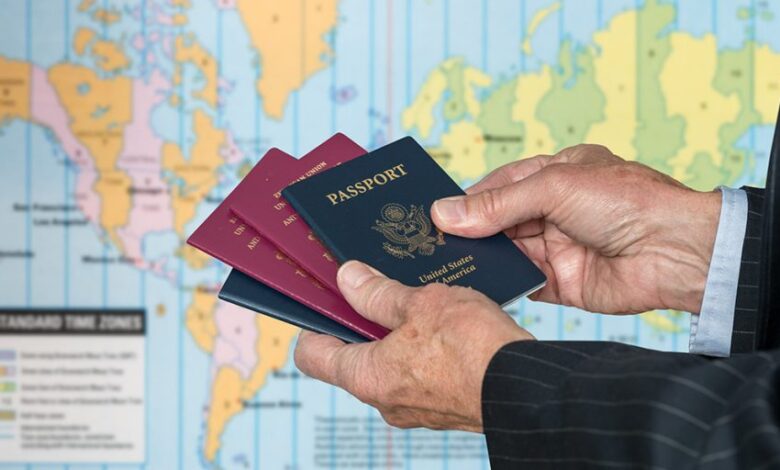
In today’s increasingly interconnected world, relying on a single nationality can limit mobility, flexibility, and long-term security. As global families expand across borders and businesses operate internationally, more investors are exploring how two citizenships can be pursued together, legally, strategically, and without conflict.
Rather than viewing nationality as a single destination, modern planning treats it as a layered strategy. By combining different pathways, such as investment-based citizenship and residency-led naturalisation, individuals can structure dual nationality in a way that strengthens global positioning.
This article explores how dual citizenship strategies work, highlights programs such as Dominica Dual Citizenship, and explains how combining two citizenship routes can enhance long-term security and mobility.
Why Pursue Two Citizenships?
Dual citizenship is no longer just about travel convenience. It is increasingly viewed as:
- A geopolitical diversification tool
- A mobility enhancement strategy
- A long-term family security measure
- A wealth and succession planning instrument
Holding two passports allows individuals to reduce dependence on a single country’s policies, travel restrictions, or economic volatility.
For globally active entrepreneurs and investors, dual nationality offers operational flexibility and risk mitigation.
Strategy One: Citizenship by Investment + Residency-Based Naturalisation
One of the most common ways to pursue two citizenships together is by combining:
- Citizenship by Investment (CBI) in one jurisdiction
- A residency-based pathway leading to citizenship in another
This layered approach allows investors to secure an immediate second passport while working toward a third citizenship over time.
For example:
- An investor may obtain Caribbean citizenship through an approved CBI program.
- Simultaneously, they may hold European residency that could eventually lead to naturalisation.
This method balances speed and long-term integration.
Dominica Dual Citizenship: A Popular Starting Point
Among Caribbean programs, Dominica Dual Citizenship is frequently chosen as the foundation of a dual nationality strategy.
Dominica’s Citizenship by Investment program offers:
- Direct citizenship through government contribution or approved investment
- No residency requirement
- Family inclusion
- Visa-free or visa-on-arrival access to multiple global destinations
Because Dominica permits dual citizenship, applicants are not required to renounce their original nationality. This makes it particularly attractive for individuals seeking an immediate mobility solution while preserving their primary citizenship.
Why Caribbean Citizenship Is Often the First Layer
Caribbean citizenship programs are commonly used as the first step in dual planning because they provide:
- Relatively fast processing
- Clear due diligence standards
- Minimal physical presence requirements
- Cost-efficient entry compared to many Western jurisdictions
Once secured, Caribbean citizenship, such as Dominica Dual Citizenship, can serve as a strategic buffer while long-term residency or naturalisation processes unfold elsewhere.
Strategy Two: Two Investment-Based Citizenships
In some cases, investors may qualify for two citizenship by investment programs simultaneously. While this approach requires careful legal analysis, it is possible when:
- Both countries legally permit dual nationality
- The applicant meets eligibility and due diligence standards
- There are no geopolitical conflicts between the jurisdictions
However, this strategy requires advanced planning and compliance expertise to avoid regulatory complications.
Legal Considerations Before Pursuing Dual Citizenship
Not all countries allow dual nationality. Before pursuing two citizenships together, applicants must confirm:
- Whether their current country of citizenship permits dual nationality
- Whether the target citizenship program allows multiple citizenships
- Tax residency implications
- Military or civic obligations
- Disclosure requirements
Failure to assess these factors can create unintended legal or financial consequences.
Combining Citizenship by Investment with European Residency
Another popular model involves pairing a Caribbean citizenship program—such as Dominica—with European residency by investment.
In this scenario:
- Citizenship by investment provides an immediate second nationality.
- European residency offers regional access and a potential path to long-term citizenship through naturalisation.
This approach is especially attractive to investors who want flexibility without immediate relocation.
Mobility Diversification: A Core Objective
One of the strongest reasons for pursuing two citizenships is passport diversification. Different passports offer varying strengths depending on geopolitical developments.
By holding multiple citizenships, individuals can:
- Reduce travel dependency on one passport
- Maintain options during diplomatic or visa policy shifts
- Access different regional markets
This layered mobility strategy is increasingly relevant in times of global uncertainty.
Tax and Compliance Planning
Dual citizenship does not automatically create tax advantages. Tax residency depends on physical presence, domicile, and domestic law.
Before acquiring additional citizenships, investors should:
- Assess global tax exposure
- Review reporting obligations
- Understand automatic exchange of information frameworks
Citizenship planning must align with broader financial structuring, not operate independently.
Who Should Consider a Dual Citizenship Strategy?
Pursuing two citizenships together may be particularly relevant for:
- Entrepreneurs operating across continents
- Families planning international education and relocation
- Investors exposed to emerging-market volatility
- Individuals seeking geopolitical neutrality
It is less relevant for those with purely domestic lifestyles and limited cross-border exposure.
Conclusion
Dual nationality is no longer a rare exception, it is a strategic choice increasingly adopted by globally minded individuals. By combining citizenship by investment programs like Dominica Dual Citizenship with residency-based naturalisation routes, investors can create a structured, multi-layered nationality strategy.
The key is careful sequencing, legal compliance, and alignment with long-term objectives. When approached thoughtfully, pursuing two citizenships together is not about redundancy, it is about resilience, flexibility, and future security in an unpredictable world.