Morocco Marketplace
Exploring the Morocco Marketplace: A Guide to Culture, Commerce, and Craftsmanship
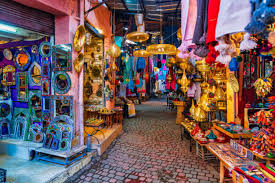
The Morocco marketplace has long been one of the most fascinating commercial and cultural spaces in North Africa. Known for its vibrant atmosphere, handcrafted treasures, and rich heritage, a Morocco marketplace is more than a shopping destination—it is an experience that blends tradition with everyday life. This article explores what makes these markets so special, what you can find there, and how to navigate them like a local.
What Makes a Morocco Marketplace So Unique?
A Morocco marketplace, often called a “souk,” is a lively network of stalls and shops where artisans, farmers, and merchants come together. Unlike modern shopping malls, these markets are built on centuries-old trading customs.
Here are a few features that make them stand out:
- Traditional craftsmanship passed down through generations
- Colorful displays of spices, textiles, and handmade goods
- Bustling energy with sounds of bargaining, conversation, and craftsmanship
- Cultural immersion that reflects Morocco’s diverse heritage
Each marketplace offers its own character, depending on the region and its specialties.
What You Can Find in a Morocco Marketplace
1. Handwoven Textiles and Carpets
Morocco is famous for its Berber rugs, handwoven blankets, and embroidered fabrics. These items are commonly made with natural dyes and traditional patterns, giving each piece a story of its own.
2. Spices and Aromatic Goods
Walking through a Morocco marketplace, you’ll encounter vibrant piles of saffron, cumin, paprika, and ras el hanout. These spices are essential to Moroccan cuisine and often sold fresh.
3. Leather Goods
Cities like Fez and Marrakech are known for high-quality leather products. Bags, shoes, and belts crafted in local tanneries are commonly found in the markets.
4. Handcrafted Jewelry and Metalwork
Silver jewelry, brass lamps, tea sets, and decorative metal art showcase the region’s traditional craftsmanship.
5. Ceramics and Pottery
From colorful bowls to intricate tiles, Moroccan pottery is widely loved for its patterns and durability.
How to Navigate a Morocco Marketplace
Be Ready to Bargain
Haggling is part of the experience. Merchants expect it, and negotiating respectfully can help you get a fair price.
Explore the Narrow Lanes
Marketplaces often feel like labyrinths. Don’t rush—take your time to explore hidden corners where unique items are often found.
Observe Local Customs
Respect for cultural traditions is important. Dress modestly, greet merchants politely, and ask before taking photos.
Try Local Foods
Street food such as tagine, freshly baked bread, and sweet mint tea can elevate your marketplace experience.
Why the Morocco Marketplace Matters Today
Beyond commerce, a Morocco marketplace serves as a cultural hub. It supports local artisans, preserves traditional techniques, and brings communities together. Even as modern shopping centers grow, these traditional souks remain central to Morocco’s identity.
Final Thoughts
Exploring a Morocco marketplace is one of the most enriching experiences for travelers and locals alike. From handcrafted goods to flavorful spices, it offers a blend of culture, creativity, and authentic everyday life. Whether you’re searching for a unique souvenir or simply wanting to feel the heartbeat of Morocco, its marketplaces are unforgettable destinations.
FAQ About the Morocco Marketplace
1. What is a Morocco marketplace?
A Morocco marketplace, also known as a souk, is a traditional open-air market where locals sell handmade goods, spices, textiles, food, and daily essentials. It is a cultural shopping hub filled with vibrant colors, sounds, and scents.
2. Where can I find the most famous Morocco marketplaces?
Some of the most popular marketplaces are located in Marrakech, Fez, Casablanca, Essaouira, and Tangier. The Marrakech Medina and Fez el-Bali souks are especially famous.
3. What types of items can I buy in a Morocco marketplace?
You can find a wide variety of items such as:
- Handwoven carpets
- Spices and herbs
- Leather goods
- Ceramics
- Traditional clothing
- Jewelry and metalwork
- Home décor and lanterns
4. Is bargaining expected in Morocco marketplaces?
Yes. Bargaining is a normal part of shopping in the souks. Merchants often start with high prices, and buyers are encouraged to negotiate respectfully.
5. Are Morocco marketplaces safe for tourists?
Generally, yes. Morocco marketplaces are busy but welcoming. It’s still wise to stay aware of your belongings, as you would in any crowded place.
6. What is the best time to visit a Morocco marketplace?
Mornings and late afternoons are ideal. The temperature is cooler, and many vendors are actively opening or restocking their stalls.
7. Can I use credit cards in Morocco marketplaces?
Most vendors prefer cash, especially in traditional souks. Larger shops may accept cards, but small stalls usually do not.
8. What should I wear when visiting a Morocco marketplace?
Modest, comfortable clothing is recommended. Lightweight fabrics are helpful in warm weather, and comfortable shoes make walking easier in narrow lanes.
9. Do vendors speak English?
Many vendors know basic English, but Arabic and French are the most commonly spoken languages. Simple phrases can help you communicate better.
10. Are items in a Morocco marketplace authentic?
Most products are handmade by local artisans. However, it’s good to examine items closely and compare quality and prices before buying.