John o’ Groats
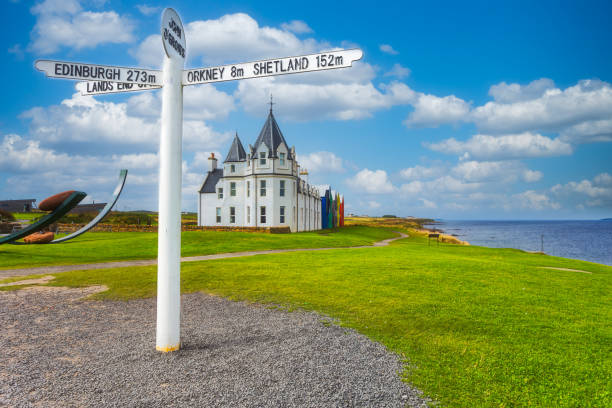
Discovering John o’ Groats: A Complete Guide to Scotland’s Northern Gateway
Introduction
John o’ Groats is often celebrated as one of the most iconic destinations in Scotland, known for its dramatic coastal landscapes, peaceful surroundings, and its status as the far-flung northeastern tip of mainland Britain. Although many people associate John o’ Groats with the “end of the road,” the village is actually a charming starting point for adventure, wildlife experiences, and scenic exploration.
Where Is John o’ Groats?
John o’ Groats sits on the northeastern tip of mainland Scotland, in the Caithness region. While it is not the absolute northernmost point of mainland Britain (that title goes to Dunnet Head), John o’ Groats remains the most famous landmark because it marks one end of the well-known Land’s End to John o’ Groats journey.
A Brief History of John o’ Groats
The name “John o’ Groats” originates from Jan de Groot, a Dutchman who ran a ferry service to the Orkney Islands in the 15th century. Legend says he built an octagonal house to prevent family arguments about who should sit where during gatherings—each wall had its own door, ensuring equal access for all.
Over time, the settlement grew into a small but memorable coastal village visited by travelers seeking the “edge of the map” experience.
Things to Do in John o’ Groats
1. Visit the Iconic John o’ Groats Signpost
The famous signpost is the must-see photo spot, marking distances to various destinations around the world. It’s a symbolic finish line for cyclists, walkers, and adventurers completing the legendary end-to-end route.
2. Take a Ferry to the Orkney Islands
From May to September, visitors can take ferry trips from John o’ Groats to Orkney, enjoying sea views, wildlife spotting, and access to historic sites like Skara Brae and the Ring of Brodgar.
3. Enjoy Coastal Walks and Wildlife Watching
The coast around John o’ Groats is teeming with wildlife. Depending on the season, you might spot:
- Puffins
- Seals
- Orcas
- Dolphins
- Seabirds nesting on rugged cliffs
The walk toward Duncansby Head and the famous Duncansby Stacks is especially rewarding.
4. Explore Local Shops and Craft Studios
The village offers cafes, craft shops, and local art studios—perfect for picking up handmade souvenirs and enjoying locally sourced food.
Why Visit John o’ Groats?
People visit John o’ Groats for various reasons:
- Its peaceful atmosphere and stunning ocean views
- Its symbolic role as one end of Britain’s greatest long-distance journey
- Its access to some of Scotland’s most dramatic coastal scenery
- Its connection to wildlife, adventure, and outdoor experiences
Whether you come for the history, the landscapes, or simply to say “I made it,” John o’ Groats leaves a lasting impression.
Final Thoughts
John o’ Groats may be small, but it captures the imagination of travelers who love remote beauty, deep history, and the thrill of reaching a legendary destination. With its wild coastlines, friendly local atmosphere, and easy access to the Orkney Islands, John o’ Groats is truly a place worth visiting.
FAQ About John o’ Groats
1. What is John o’ Groats famous for?
John o’ Groats is famous for being one end of the iconic “Land’s End to John o’ Groats” route, a long-distance challenge completed by walkers, cyclists, and adventurers. It is also known for its dramatic coastal scenery and wildlife.
2. Is John o’ Groats the northernmost point of mainland Britain?
No. Although many people think so, the true northernmost point is Dunnet Head, which is about 11 miles away. However, John o’ Groats remains the most recognized landmark in the region.
3. How do you get to John o’ Groats?
You can reach John o’ Groats by car, bus, or tour from major Scottish towns like Inverness. It sits along the A99 road and is accessible year-round.
4. What can you do in John o’ Groats?
Popular activities include visiting the famous signpost, taking ferry trips to the Orkney Islands, walking to Duncansby Head, observing wildlife, exploring local craft shops, and enjoying coastal photography.
5. Are there places to stay in John o’ Groats?
Yes. The village offers hotels, holiday lodges, B&Bs, and self-catering accommodations. Many options provide sea views and a peaceful setting.
6. When is the best time to visit John o’ Groats?
The best time is late spring to early autumn (May–September), when the weather is milder and wildlife—especially puffins—is easier to spot. Winter offers dramatic views but colder conditions.
7. Can you see the Orkney Islands from John o’ Groats?
Yes. On clear days, you can see the southern tip of the Orkney Islands across the Pentland Firth. Seasonal ferries operate between John o’ Groats and Orkney.
8. Is John o’ Groats worth visiting?
Absolutely. Whether you’re interested in scenic walks, coastal landscapes, wildlife, photography, or experiencing a legendary travel endpoint, John o’ Groats offers something memorable for every visitor.