South America
South America: A Complete Guide to the Continent of Diversity and Culture
South America is one of the most fascinating continents in the world, known for its rich history, breathtaking landscapes, and cultural diversity. From ancient civilizations to modern cities, South America offers a unique blend of nature, tradition, and innovation. This article explores South America in a clear and informative way, making it easy for readers to understand what makes the continent so special.
Where Is South America Located?
South America is located in the Western Hemisphere, mostly in the Southern Hemisphere. It lies between the Pacific Ocean to the west and the Atlantic Ocean to the east. The continent is connected to North America by the Isthmus of Panama, forming part of the Americas.
South America consists of 12 independent countries, including Brazil, Argentina, Chile, Colombia, and Peru, along with a few dependent territories.
Geography and Natural Wonders of South America
South America is famous for its dramatic and diverse geography. The continent is home to:
- The Amazon Rainforest, the largest rainforest on Earth
- The Andes Mountains, the longest mountain range in the world
- The Amazon River, one of the longest and most powerful rivers globally
- Deserts, glaciers, beaches, and tropical islands
This wide range of landscapes makes South America one of the most ecologically diverse regions on the planet.
History of South America
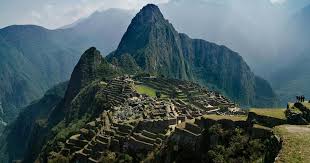
The history of South America dates back thousands of years. Ancient civilizations such as the Inca Empire built advanced societies long before European contact. In the 15th and 16th centuries, Spanish and Portuguese explorers arrived, leading to colonization that shaped the continent’s languages, culture, and political systems.
Most South American countries gained independence during the 19th century, creating the nations we know today.
Culture and Traditions in South America
Culture in South America is vibrant and deeply rooted in tradition. Music, dance, food, and festivals play a major role in daily life. Popular cultural elements include:
- Traditional dances like samba and tango
- Colorful festivals such as Carnival
- A mix of Indigenous, European, African, and Asian influences
Languages spoken in South America mainly include Spanish and Portuguese, with many Indigenous languages still in use.
Economy and Modern Life in South America
South America has a growing and diverse economy. Many countries rely on natural resources such as agriculture, mining, and energy production. At the same time, major cities like São Paulo, Buenos Aires, and Santiago are modern hubs of business, education, and technology.
Tourism is also an important industry, as millions of visitors travel to South America each year to experience its natural beauty and cultural heritage.
Why South America Is Important to the World
South America plays a key role globally due to its natural resources, biodiversity, and cultural influence. The Amazon Rainforest alone helps regulate the Earth’s climate, while South American art, sports, and cuisine continue to shape global trends.
Conclusion
South America is a continent full of contrasts, beauty, and history. With its incredible landscapes, rich cultures, and growing global influence, South America remains one of the most important and captivating regions in the world. Whether you are interested in nature, history, or modern development, South America has something unique to offer.
Frequently Asked Questions (FAQ) About South America
What is South America best known for?
South America is best known for its natural wonders, including the Amazon Rainforest, the Andes Mountains, and diverse wildlife. The continent is also famous for its rich cultures, music, food, and historical civilizations such as the Incas.
How many countries are in South America?
South America has 12 independent countries: Argentina, Bolivia, Brazil, Chile, Colombia, Ecuador, Guyana, Paraguay, Peru, Suriname, Uruguay, and Venezuela. It also includes a few overseas territories.
What languages are spoken in South America?
The most common languages in South America are Spanish and Portuguese. Portuguese is mainly spoken in Brazil, while Spanish is used in most other countries. Many Indigenous languages are also spoken across the continent.
Is South America safe for tourists?
Yes, many parts of South America are safe for tourists, especially popular destinations and major cities. Like anywhere in the world, travelers should follow local safety advice and stay aware of their surroundings.
What is the climate like in South America?
South America has a wide range of climates. It includes tropical rainforests, dry deserts, cold mountain regions, and temperate coastal areas. The climate varies greatly depending on the country and region.
Why is the Amazon Rainforest important to South America?
The Amazon Rainforest is crucial to South America because it supports millions of plant and animal species and helps regulate the global climate. It also plays an important role in maintaining the continent’s ecosystems.
What is the largest country in South America?
Brazil is the largest country in South America, both by land area and population. It covers nearly half of the continent.
What makes South America culturally unique?
South America is culturally unique due to its mix of Indigenous traditions, European influence, African heritage, and modern lifestyles. This blend is reflected in its music, festivals, cuisine, and daily life.