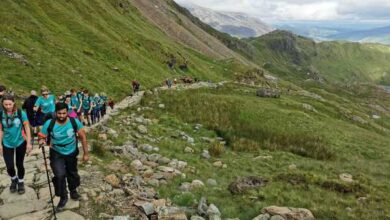
Clifftops

Clifftops: Nature’s Dramatic Landscapes and Why They Matter
Clifftops are some of the most striking natural features on Earth, offering breathtaking views, rich ecosystems, and important geological insights. Found along coastlines, mountains, and river valleys, clifftops attract hikers, photographers, scientists, and nature lovers alike. Beyond their beauty, clifftops play a vital role in environmental balance and cultural history.
What Are Clifftops?
Clifftops are the upper edges of steep rock faces or cliffs formed through natural processes such as erosion, tectonic movement, and weathering. They can be found near oceans, where waves slowly carve away rock, or inland, where rivers and glaciers shape the land over thousands of years. The height and structure of clifftops vary depending on the type of rock and environmental conditions.
How Clifftops Are Formed
The formation of clifftops is a gradual process that takes place over long periods of time. Coastal clifftops are often shaped by constant wave action, wind, and salt erosion. Inland clifftops may be created by river erosion or shifting tectonic plates. Over time, softer rock layers wear away, leaving behind steep and dramatic cliff edges.
Wildlife and Plant Life on Clifftops
Despite harsh conditions such as strong winds and thin soil, clifftops support unique ecosystems. Many rare plants thrive here because fewer animals can reach these elevated areas. Seabirds often nest on coastal clifftops, using the height for protection from predators. These environments are important for biodiversity and conservation efforts.
The Importance of Clifftops in Human History
Clifftops have long been significant to human societies. Ancient settlements were often built on clifftops for defense and visibility. Today, many historic landmarks, lighthouses, and cultural sites remain on clifftops, offering insight into how people adapted to and valued these landscapes.
Safety and Conservation of Clifftops
While clifftops provide stunning views, they can also be dangerous. Erosion can make edges unstable, so visitors should always follow safety guidelines and stay on marked paths. Conservation is equally important, as human activity and climate change can accelerate erosion and damage fragile habitats.
Why Clifftops Continue to Fascinate
Clifftops combine natural beauty, scientific value, and cultural importance in one dramatic setting. Whether admired for their views, studied for their geology, or protected for their ecosystems, clifftops remind us of nature’s power and the importance of preserving it for future generations.
Frequently Asked Questions (FAQ) About Clifftops
What are clifftops?
Clifftops are the highest points along steep rock faces or cliffs. They are commonly found along coastlines, mountains, and river valleys and are formed through natural processes like erosion and tectonic movement.
Where are clifftops commonly found?
Clifftops are most often found along coastal areas where waves erode the land, but they can also appear inland near rivers, canyons, and mountainous regions.
Are clifftops safe to visit?
Clifftops can be safe if visitors follow designated paths and safety signs. However, erosion and weather conditions can make edges unstable, so caution is always necessary.
Why are clifftops important to the environment?
Clifftops support unique plant and animal life, including nesting birds and rare vegetation. They also help scientists study geological history and erosion patterns.
How are clifftops formed?
Clifftops are formed over long periods through erosion caused by wind, water, and ice. In coastal areas, wave action plays a major role in shaping clifftops.
Can clifftops change over time?
Yes, clifftops constantly change due to erosion and weather conditions. Over time, parts of a clifftop may collapse or retreat inland.
Why do people visit clifftops?
People visit clifftops for scenic views, hiking, photography, and relaxation. Many clifftops also have historical landmarks or cultural significance.
How can clifftops be protected?
Clifftops can be protected through conservation efforts, limiting construction, maintaining walking paths, and encouraging responsible tourism.