Otter Falls
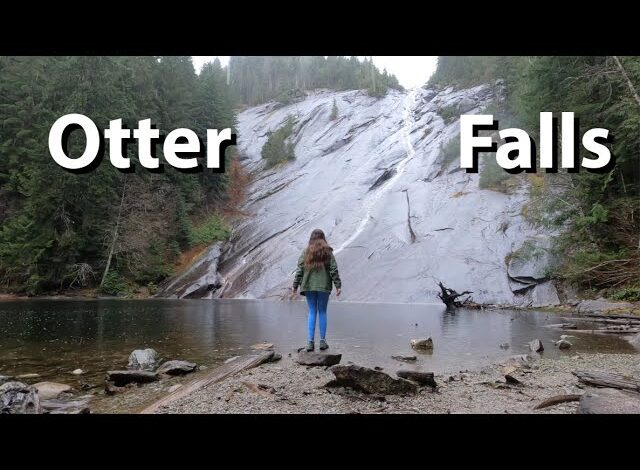
Otter Falls: A Peaceful Natural Waterfall and Wildlife Haven
Otter Falls is a name often associated with scenic waterfalls found in forested or protected natural areas. These locations are valued for their flowing water, calm surroundings, and the wildlife that thrives nearby. Otter Falls is especially appreciated by nature lovers who enjoy quiet landscapes, fresh air, and outdoor exploration.
What Makes Otter Falls Special
Otter Falls is known for its natural beauty and gentle environment rather than large crowds or commercial development. The waterfall typically flows over rock formations into a clear pool or stream, creating a peaceful atmosphere.
Many places called Otter Falls get their name because otters are commonly found in clean freshwater ecosystems, which indicates a healthy environment. The presence of otters often reflects good water quality and balanced wildlife conditions.
Wildlife Around Otter Falls
Areas known as Otter Falls usually support a variety of wildlife, including:
- River otters and other small mammals
- Birds such as kingfishers and herons
- Fish and aquatic insects
- Native plants, mosses, and trees
Because otters rely on clean water and stable habitats, Otter Falls is often considered a sign of a well-preserved ecosystem.
Outdoor Activities at Otter Falls
Visitors to Otter Falls often enjoy low-impact outdoor activities such as:
- Nature walks and hiking
- Photography of waterfalls and wildlife
- Birdwatching
- Educational nature studies
These activities allow people to appreciate Otter Falls while respecting the surrounding environment.
Conservation and Environmental Importance
Otter Falls highlights the importance of protecting freshwater ecosystems. Waterfalls and streams support plant life, animals, and nearby communities. Conservation efforts around places like Otter Falls help maintain biodiversity and ensure that future generations can enjoy natural spaces.
Responsible tourism—such as staying on trails and avoiding litter—plays a key role in preserving Otter Falls.
Why Otter Falls Attracts Nature Lovers
Otter Falls appeals to visitors who value:
- Quiet, natural surroundings
- Wildlife observation
- Clean water and fresh air
- Educational outdoor experiences
Rather than being a busy tourist attraction, Otter Falls represents a calm connection with nature.
Conclusion
Otter Falls is more than just a waterfall name—it represents the beauty and importance of natural water environments. With its peaceful scenery, wildlife presence, and environmental value, Otter Falls continues to attract those who appreciate nature in its purest form.
Frequently Asked Questions About Otter Falls
What is Otter Falls?
Otter Falls is a name commonly used for a natural waterfall located in areas with clean freshwater ecosystems. The name often reflects the presence of river otters, which live near healthy streams and rivers.
Why is it called Otter Falls?
Otter Falls is named after otters, animals that depend on clean water and abundant fish. When otters are seen near a waterfall or stream, it usually means the environment is well preserved.
Are otters always found at Otter Falls?
Not always. Otters are wild animals and may not be visible during every visit. However, Otter Falls is typically located in habitats suitable for otters, such as rivers, waterfalls, and forested areas.
Is Otter Falls safe to visit?
Otter Falls is generally safe to visit when standard outdoor safety guidelines are followed. Visitors should stay on marked paths, avoid slippery rocks near the waterfall, and respect wildlife.
What activities can be done at Otter Falls?
Common activities at Otter Falls include hiking, nature photography, birdwatching, and quiet observation of the surrounding environment. Swimming may not be recommended depending on water conditions.
Why is Otter Falls important to the environment?
Otter Falls plays an important role in supporting freshwater ecosystems. Waterfalls help oxygenate water, support aquatic life, and maintain biodiversity in the surrounding area.
Can Otter Falls be used for educational purposes?
Yes. Otter Falls is often used for environmental education, helping people learn about water ecosystems, wildlife conservation, and the importance of clean natural habitats.
How can visitors help protect Otter Falls?
Visitors can protect Otter Falls by not littering, staying on designated trails, avoiding disturbance to wildlife, and following local conservation guidelines.