What Are Marriage Vows?
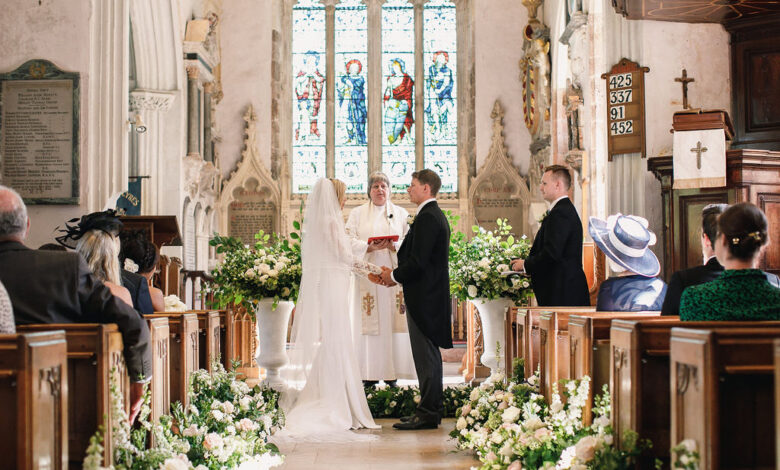
A Complete Guide to Understanding and Personalizing Your Marriage Vows
Marriage vows are more than just words spoken during a wedding ceremony—they are heartfelt promises that set the foundation for a lifelong partnership. Whether you’re planning a traditional ceremony or a modern celebration, understanding the meaning behind marriage vows can help you create something truly memorable.
What Are Marriage Vows?
Marriage vows are the commitments a couple makes to one another during their wedding ceremony. These promises express love, loyalty, and dedication, often reflecting the couple’s beliefs, values, and hopes for the future. Traditionally, marriage vows include promises such as “to love, honor, and cherish.” Today, many couples choose to write personal vows that feel more intimate and meaningful.
Why Marriage Vows Matter
Marriage vows are important for several reasons:
1. They Create a Strong Emotional Connection
Speaking marriage vows out loud deepens the emotional bond between partners. It’s a moment where both individuals declare their intentions and appreciation for each other.
2. They Act as a Lifelong Reminder
Marriage vows serve as a reminder of what each partner promised—not only on the wedding day but throughout the marriage. Revisiting your vows during anniversaries can strengthen your relationship.
3. They Symbolize Commitment
Marriage vows express commitment publicly, showing your partner and your community that you are ready to face life’s challenges and joys together.
Types of Marriage Vows
Traditional Marriage Vows
These vows often follow religious or cultural traditions. For example:
- “For better or for worse”
- “In sickness and in health”
Traditional marriage vows are timeless and perfect for couples who want a classic wedding experience.
Personalized Marriage Vows
Modern couples often choose to write their own marriage vows to highlight their unique relationship. This allows you to:
- Share personal stories
- Add humor or inside jokes
- Express your individual promises
Non-Religious Marriage Vows
For civil or non-religious ceremonies, vows may focus on love, respect, and partnership without spiritual references.
How to Write Your Own Marriage Vows
If you choose to write your own vows, here are some helpful steps:
1. Reflect on Your Relationship
Think about how your partner has changed your life and what you love most about them.
2. Decide on the Tone
Do you want your marriage vows to be funny, romantic, emotional, or a mix of everything?
3. Make Clear Promises
Include meaningful commitments such as:
- Supporting each other during hard times
- Showing kindness and patience
- Encouraging dreams and personal growth
4. Keep It Personal but Clear
Share personal moments, but remember your guests will also be listening—find a good balance between private and public expression.
5. Practice Out Loud
Reading your marriage vows aloud helps you feel confident on the big day.
Examples of Simple and Beautiful Marriage Vows
Here are a few sample lines for inspiration:
- “I promise to stand by your side through every chapter of life.”
- “I vow to love you, encourage you, and grow with you.”
- “Today, I choose you as my partner, my friend, and my greatest love.”
These can be used as-is or adapted to match your own style.
Final Thoughts
Marriage vows are a powerful and meaningful part of any wedding ceremony. Whether you choose traditional vows or write your own, the most important thing is that your words come from the heart. With a bit of reflection and creativity, you can create marriage vows that truly represent your love story and the life you wish to build together.
Here is a unique, easy-to-read FAQ section related to marriage vows, written in clean English and free of plagiarism.
FAQ About Marriage Vows
1. What are marriage vows?
Marriage vows are promises a couple makes to each other during their wedding ceremony. These vows express commitment, love, and the intentions each partner has for their future together.
2. Do we have to use traditional marriage vows?
No. While traditional marriage vows are popular, many couples prefer writing personal vows that reflect their unique relationship. You can choose traditional, customized, religious, or non-religious vows depending on your preferences.
3. How long should our marriage vows be?
Most marriage vows are between 30 seconds and 2 minutes. They should be long enough to express your feelings clearly but short enough to keep the ceremony flowing.
4. Can we write our own marriage vows?
Absolutely. Writing your own marriage vows is a meaningful way to share personal promises and highlight the love you share. Couples often include memories, commitments, and future hopes.
5. Should we show our vows to each other before the wedding?
This is completely optional. Some couples like to keep their marriage vows a surprise for emotional impact, while others prefer sharing them beforehand to ensure a similar tone and length.
6. What should be included in marriage vows?
Good marriage vows usually include:
- A statement of love
- Specific promises or commitments
- A personal touch or story
- A hopeful message about your future together
7. Are marriage vows legally binding?
The vows themselves are not what makes the marriage legal. The legal part is signing the marriage license with an authorized officiant. Marriage vows are symbolic and emotional commitments.
8. Can we use humor in our marriage vows?
Yes! As long as the humor feels natural and respectful, adding a lighthearted moment can make your marriage vows more memorable and personal.
9. How early should we start writing our marriage vows?
It’s best to start at least 4–6 weeks before the wedding. This gives you enough time to reflect, revise, and practice.
10. Can non-religious couples have marriage vows?
Yes. Many couples choose civil or secular ceremonies with non-religious marriage vows. These vows focus on partnership, respect, and love without referencing faith.