Merseyside
Merseyside: A Complete Guide to History, Culture, and Modern Life
Merseyside is one of the most well-known metropolitan counties in England, famous for its rich history, strong cultural identity, and global influence. Located in the North West of England, Merseyside has played a major role in the country’s industrial growth, music scene, and sporting achievements. Today, Merseyside continues to evolve while proudly preserving its heritage.
This article explores Merseyside’s history, geography, economy, culture, and why it remains an important region in the UK.
Where Is Merseyside Located?
Merseyside is situated along the eastern side of the River Mersey, stretching out toward the Irish Sea. It borders Lancashire to the north and Greater Manchester and Cheshire to the east and south. Its coastal position has historically made Merseyside a key location for trade, transport, and migration.
The county includes several major urban areas, making it one of the most densely populated regions in North West England.
Cities and Boroughs in Merseyside
Merseyside is made up of five metropolitan boroughs:
- Liverpool
- Sefton
- Wirral
- Knowsley
- St Helens
Liverpool is the largest and most internationally recognised city in Merseyside, while places like Wirral and Sefton offer a mix of coastal towns, residential areas, and green spaces. Each borough contributes to the county’s diverse character.
A Brief History of Merseyside
The history of Merseyside is closely tied to the River Mersey. During the 18th and 19th centuries, the region grew rapidly due to shipping, dock work, and international trade. Liverpool became one of the world’s busiest ports, welcoming goods and people from across the globe.
Merseyside officially became a metropolitan county in 1974. Although heavy industry declined in the late 20th century, the region adapted by investing in education, tourism, and creative industries.
Cultural Importance of Merseyside
Merseyside has had an enormous cultural impact, far beyond its size. It is best known as the birthplace of The Beatles, one of the most influential bands in music history. The county’s music scene remains vibrant today, with many live venues and festivals.
The people of Merseyside are known for their strong community spirit, distinct accent, and sense of humour. Local traditions, food, and dialects reflect the area’s maritime and multicultural roots.
Sports and Recreation in Merseyside
Sport plays a major role in life across Merseyside. Football is especially important, with world-famous clubs such as:
- Liverpool FC
- Everton FC
Both clubs have long histories and passionate fan bases. In addition to football, Merseyside offers parks, coastal walks, and recreational facilities that promote an active lifestyle.
Economy and Employment in Merseyside
The economy of Merseyside has shifted over time. While docks and manufacturing once dominated, modern Merseyside focuses on:
- Education and universities
- Healthcare and public services
- Tourism and hospitality
- Creative and digital industries
Major regeneration projects have helped attract investment and create jobs, especially in Liverpool’s city centre and waterfront areas.
Education and Learning Opportunities
Merseyside is home to several respected universities and colleges, including institutions in Liverpool and surrounding boroughs. These centres of learning attract students from across the UK and abroad, contributing to innovation and economic growth in the region.
Why Merseyside Still Matters Today
Merseyside remains an important part of England due to its cultural influence, historical significance, and ongoing development. Its ability to adapt while maintaining a strong local identity makes it a unique and resilient region.
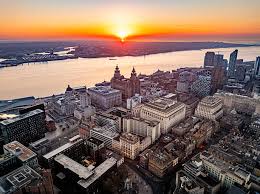
From its iconic waterfront to its passionate communities, Merseyside continues to shape the UK’s social, cultural, and economic landscape.
Conclusion
Merseyside is much more than a geographic location. It is a region defined by history, creativity, and pride. Whether known for music, football, education, or heritage, Merseyside stands out as one of England’s most influential counties. As it continues to grow and modernise, Merseyside remains deeply connected to its past while looking confidently toward the future.
Frequently Asked Questions (FAQ) About Merseyside
What is Merseyside known for?
Merseyside is best known for its strong cultural identity, historic waterfronts, world-famous football clubs, and global music influence. It is especially recognised as the birthplace of The Beatles and for the city of Liverpool’s maritime heritage.
Is Merseyside a city or a county?
Merseyside is a metropolitan county, not a single city. It includes several boroughs such as Liverpool, Wirral, Sefton, Knowsley, and St Helens.
Where is Merseyside located in England?
Merseyside is located in the North West of England, along the River Mersey and near the Irish Sea. Its coastal location has played an important role in its history and economic development.
Why is the River Mersey important?
The River Mersey has been central to Merseyside’s growth. It supported trade, shipping, and industry, helping the region become one of the UK’s most significant ports during the Industrial Revolution.
What football teams are based in Merseyside?
Merseyside is home to two major football clubs:
- Liverpool FC
- Everton FC
Both clubs have international followings and long-standing histories in English football.
Is Merseyside a good place to live?
Many people choose Merseyside for its affordable living, strong sense of community, cultural attractions, and access to coastal and green spaces. Different boroughs offer a range of lifestyles, from urban to suburban.
What industries support Merseyside’s economy today?
Modern Merseyside relies on sectors such as education, healthcare, tourism, creative industries, digital technology, and public services, alongside ongoing regeneration projects.
Does Merseyside have universities?
Yes, Merseyside has several well-established universities and colleges, particularly in Liverpool. These institutions attract students from the UK and around the world.
Is Merseyside popular with tourists?
Yes, Merseyside attracts visitors for its museums, music history, football stadiums, waterfront areas, and cultural events. Tourism plays an important role in the local economy.