West Barsham Hall
West Barsham Hall: A Historic Treasure in Norfolk
Introduction
West Barsham Hall is one of the most fascinating historic buildings in Norfolk, England. Known for its beautiful architecture and rich past, West Barsham Hall offers visitors a glimpse into England’s Tudor history. The hall is surrounded by peaceful countryside, making it not only historically important but also visually stunning. Many people who are interested in English heritage, architecture, or rural history enjoy learning about West Barsham Hall and the stories connected to it.
In this article, you will discover the history, architecture, and importance of West Barsham Hall, as well as why it remains a special landmark in the region.
The History of West Barsham Hall
The history of West Barsham Hall dates back to the Tudor period in the early 16th century. It was built around 1520 by the influential Calthorpe family, who were well-known landowners in Norfolk at the time.
The hall quickly became a prominent residence in the area because of its size and design. During the Tudor era, grand houses like West Barsham Hall were symbols of wealth and status. They were also important social centers where local leaders and nobles gathered.
One of the most interesting historical connections is that King Henry VIII is believed to have visited the area. West Barsham Hall is located close to Barsham Manor, which belonged to the Boleyn family, relatives of Anne Boleyn, Henry VIII’s second wife. This connection makes the location even more historically significant.
Over the centuries, the hall has experienced periods of decline and restoration, but its historical value has remained strong.
Architecture of West Barsham Hall
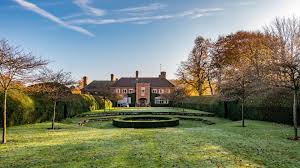
The architecture of West Barsham Hall is a beautiful example of Tudor design. The building is constructed mainly from red brick, a material that became popular in England during the 16th century.
Some of the most notable architectural features include:
- Traditional Tudor brickwork
- Large chimneys and tall windows
- Decorative gables and rooflines
- Spacious rooms designed for noble living
These elements give West Barsham Hall a classic and timeless appearance. The design reflects the craftsmanship and building style of the Tudor period, which focused on both elegance and durability.
The Surroundings and Landscape
Another reason why West Barsham Hall is so admired is its peaceful rural setting. The hall sits within the Norfolk countryside, surrounded by green fields, trees, and quiet farmland.
This natural landscape adds to the charm of the property. In earlier centuries, estates like West Barsham Hall were often built in large rural areas so landowners could manage farms and hunting grounds nearby.
Today, the countryside around the hall still reflects the traditional English rural environment, which attracts history lovers and photographers alike.
Restoration and Preservation
Like many historic buildings in England, West Barsham Hall has needed careful restoration over time. Years of weather and changing ownership caused parts of the building to deteriorate.
Fortunately, preservation efforts have helped protect the structure. Restoration work has aimed to maintain the original Tudor character while strengthening the building for future generations.
Historic preservation is important because buildings like West Barsham Hall provide a physical connection to the past. They help historians, architects, and visitors understand how people lived centuries ago.
Why West Barsham Hall Is Important
There are several reasons why West Barsham Hall remains an important historic site:
- Tudor Heritage – It represents the architectural style and lifestyle of the Tudor era.
- Historical Connections – Its location near the Boleyn family estates links it to important royal history.
- Architectural Value – The hall is a strong example of early brick construction in England.
- Cultural Significance – It reflects the social and economic structure of rural England in the 16th century.
Because of these factors, West Barsham Hall is recognized as a valuable part of Norfolk’s heritage.
Visiting the Area
While West Barsham Hall itself is a historic private property, the surrounding region of Barsham and Norfolk offers many attractions for visitors. The area is known for charming villages, historic churches, and scenic countryside.
Tourists who explore Norfolk often enjoy:
- Walking through traditional English villages
- Visiting nearby historic sites
- Experiencing local culture and countryside views
Learning about places like West Barsham Hall can make a visit to the region even more meaningful.
Conclusion
West Barsham Hall stands as a remarkable example of Tudor architecture and English history. Built in the early 1500s, the hall has witnessed centuries of change while maintaining its historical character. Its connection to the Tudor period, beautiful brick design, and peaceful Norfolk setting make it a truly special landmark.
For anyone interested in British heritage, architecture, or historical estates, West Barsham Hall represents an important piece of England’s past that continues to inspire curiosity and admiration today.
FAQ About West Barsham Hall
1. Where is West Barsham Hall located?
West Barsham Hall is located in the village of Barsham in Norfolk, England.
2. When was West Barsham Hall built?
The hall was built in the early 16th century, around 1520 during the Tudor period.
3. Who built West Barsham Hall?
It was built by the Calthorpe family, a wealthy and influential family in Norfolk at the time.
4. Is West Barsham Hall connected to King Henry VIII?
The hall is located near estates connected to the Boleyn family, relatives of Anne Boleyn, which gives it an indirect historical link to Henry VIII.
5. Why is West Barsham Hall historically important?
West Barsham Hall is important because of its Tudor architecture, historical connections, and its role in Norfolk’s cultural heritage.